Foundations of Finance: Exploring the Evolving Landscape of Home Loans

Buying a home is a dream that often requires financial assistance. Home loans bridge the gap between savings and property costs, making ownership achievable for many. They are more than just money borrowed—they are long-term commitments with strategic implications. Understanding them deeply can ensure stability and success in property investment.

Home Loans

Sparrow Home Loans have evolved alongside economic and social changes. Early systems were informal, relying on personal networks and local lenders. Modern loans, however, involve complex regulations, underwriting processes, and risk assessment. These changes reflect how critical housing is to individual and national economies.

Interest rates define much of a home loan’s structure. They determine the cost of borrowing and influence monthly payments. Fixed rates provide stability, while variable rates offer potential savings but carry risk. Borrowers must assess their tolerance for fluctuation before choosing a plan.

Loan terms vary widely and affect overall financial outcomes. Short-term loans often have higher monthly payments but lower total interest costs. Long-term loans reduce monthly burdens but can accumulate significantly more interest. Selecting the right term requires balancing current income with future goals.

Creditworthiness is a key factor in loan approval. Lenders evaluate credit scores, debt-to-income ratios, and financial history. A strong credit profile often leads to lower interest rates and better loan conditions. Preparing documentation and addressing financial weaknesses beforehand can improve approval chances.

Down payments impact both affordability and loan terms. Larger down payments typically reduce interest costs and improve approval odds. They also demonstrate financial responsibility to lenders. However, saving a substantial amount requires planning and discipline, especially for first-time buyers.

The role of collateral is essential in home loans. The property itself serves as security for the lender, reducing their risk. In case of default, the lender can reclaim the property. Understanding these risks helps borrowers approach loans responsibly and avoid overextension.

Mortgage insurance is another consideration. It protects lenders in cases where down payments are small or credit risk is higher. While it adds cost, it can make homeownership possible when upfront funds are limited. Balancing this expense against loan accessibility is a critical financial decision.

Loan applications involve a detailed review process. Lenders analyze income, employment stability, outstanding debts, and legal documents. Accuracy and honesty are paramount, as discrepancies can delay approval. Streamlining this process can reduce stress and uncertainty for prospective homeowners.

Home loans also come with fees and closing costs. Appraisals, origination fees, and legal processing contribute to initial expenses. Understanding these charges prevents unpleasant surprises and helps plan total project costs. Smart budgeting ensures that the loan supports homeownership without financial strain.

Government programs often assist specific borrower groups. First-time buyers, low-income applicants, or rural property owners may qualify for incentives. These programs can reduce interest rates, down payments, or offer tax benefits. Awareness of available options enhances affordability and accessibility.

Refinancing is an important tool within home loan management. Borrowers may replace an existing loan with one that has more favorable terms. Reasons include lower interest rates, changing financial conditions, or shifting from variable to fixed rates. Refinancing can save money or improve cash flow if timed strategically.

Economic conditions influence home loan availability and rates. Inflation, employment trends, and central bank policies affect lenders’ decisions. Borrowers should monitor these factors to identify optimal times for applications. Timing can significantly reduce costs and improve financial outcomes.

Home loans impact long-term wealth building. Property appreciation, tax incentives, and equity growth contribute to financial security. Borrowers who manage loans wisely can leverage them for investment and retirement planning. Mismanagement, however, risks debt accumulation and financial instability.

Digital tools are transforming the home loan experience. Online applications, AI-driven underwriting, and virtual consultations streamline processes. Technology also allows borrowers to compare rates, simulate payments, and track approvals efficiently. These innovations reduce barriers and improve decision-making.

Flexible repayment options are emerging in modern home loans. Graduated payments, bi-weekly schedules, or early repayment features cater to diverse financial situations. Such flexibility supports borrowers in aligning loans with income patterns and life changes. Choosing adaptable terms increases financial control and reduces stress.

Understanding loan clauses is crucial. Prepayment penalties, late fees, and interest adjustment mechanisms affect costs and obligations. Borrowers should read contracts carefully and seek professional guidance if necessary. Informed decision-making reduces risk and ensures fair treatment.

Home loans intersect with personal life planning. Marriage, career shifts, or family expansion influence loan choices. Borrowers must consider potential changes when committing to long-term financial obligations. Anticipating life events safeguards stability and reduces unexpected strain.

Market trends also shape borrower decisions. Competitive rates, housing demand, and property values inform when and where to apply. Savvy borrowers align loan choices with market conditions to optimize value. Awareness of trends provides a strategic advantage in property acquisition.

Ethical lending practices are increasingly emphasized. Transparent terms, responsible lending limits, and fair assessment protect borrowers. Ethical standards prevent predatory practices that can trap homeowners in unsustainable debt. Choosing reputable lenders ensures a secure and positive borrowing experience.

Cultural perceptions influence how people approach home loans. In some communities, property ownership is seen as a rite of passage or financial milestone. In others, renting may be preferred due to flexibility or mobility. Understanding these attitudes can guide personal expectations and decisions.

Home loans are not just financial instruments—they are instruments of stability and empowerment. They transform the ability to access housing and participate in property markets. Managing them wisely requires knowledge, planning, and foresight. Successful navigation ensures security, growth, and peace of mind.

In the long term, home loans affect broader economic landscapes. Widespread responsible borrowing supports real estate markets, construction industries, and community development. Mismanagement can trigger debt crises and housing instability. Individual decisions thus contribute to both personal and collective economic health.

Education about loans is key to maximizing benefits. Workshops, online resources, and professional advisors help borrowers understand options and obligations. Informed individuals are better equipped to select suitable products and avoid pitfalls. Knowledge fosters confidence and long-term financial resilience.

The journey of homeownership begins with a loan but continues through careful management. Regular review, strategic repayments, and financial planning ensure that the loan serves its intended purpose. Home loans are powerful tools when approached thoughtfully. They can turn the dream of owning a home into a sustainable reality, shaping lives for decades.


What Is Plumbing?

Castle Rock Plumbing is the system of pipes, fixtures and other apparatus that bring fresh water into a building and remove waste. It encompasses a variety of tasks, from installing pipes and valves to maintaining and repairing them.

Plumbing

Plumbing systems rely on a wide range of materials, from traditional metals like copper to modern plastics like PEX and PVC. Understanding the differences between these materials can help you make better choices when creating or modifying your home’s plumbing.

A plumbing system’s water supply line delivers clean, pressurized water from a municipal or private well to your home’s faucets, showerheads, appliances, and outdoor spigots. This line is also responsible for carrying wastewater to the drainpipes and into a sewer or septic system. Water quality, water pressure, and the flow rate of your home’s water all depend on the health of your water supply line.

Common issues with supply lines include:

-Hard water: This type of water is high in minerals that can build up and clog pipes, fixtures, and appliances. A water softener can help reduce hardness and improve water quality.

–Slow leaks: Sometimes supply lines develop slow, undetected leaks that can lead to mold and mildew growth or weakened infrastructure. These leaks may even affect the taste and quality of your home’s water.

-Low water pressure: Some homes experience fluctuations in their water pressure, especially during peak usage times or when using high-demand appliances like dishwashers and washing machines. Installing a pressure-reducing valve or booster can help alleviate this issue. -Municipal supply issues: Your municipality might send water to your home at a pressure that’s higher than what your pipes can handle, leading to leaks and other problems. This can be addressed with regular professional inspections and pipe upgrades.

-Sewer odors: When sewage and other waste back up into plumbing pipes, it can cause unpleasant and dangerous odors. Keeping drains clean and free of hair, grease, soap scum, and food scraps can help prevent this problem. Regular sewer cleanings and venting are also crucial to maintaining a healthy plumbing system. If you’re experiencing sewage odors, contact your plumber for assistance. They can inspect your plumbing for signs of a backup and recommend the best course of action.

Drainage

Drainage involves the removal of wastewater from homes and buildings. This process helps prevent the buildup of water that can damage foundations, cause soil erosion, and lead to flooding and waterlogged ground. It also improves plant health by channeling excess rainwater away from fields and gardens. The drainage system consists of piping that carries sewage and other waste to a sewer or septic tank, where it is disposed of safely. The piping for the drainage system is usually made of plastic or metal, and it is typically much larger than the piping for the water supply system.

Like the piping that brings clean water into a home, the pipes for the drainage system are pressurized. This pressure makes it difficult for debris to clog the lines, although a clogged drain can still occur due to hair, soap scum, or food scraps. A plumber may use a snake or drain cleaner to clear a clogged pipe.

Plumbing systems are regulated by codes and standards that ensure safety, functionality, and durability. These regulations cover a range of topics, from ensuring that all fixtures are compatible with the drainage system to setting minimum water flow rates. They also set standards for materials, such as lead-free pipes, and promote water conservation through initiatives like the WaterSense program.

The drainage system consists of a network of pipes that transports waste from sinks, tubs, toilets, dishwashers, washing machines, and more to the sewer or septic tank. These pipes are buried underground and are designed to play gravity’s role in the waste disposal process. They also require proper slope to avoid clogs and backflow. To prevent foul odors from entering the house, drains are fitted with traps that contain water or a substance that prevents the escape of gasses. These traps are often called S or P traps, and they help reduce the need for a house venting system.

Venting

The plumbing vent system is an essential part of any home or commercial building. Without it, a variety of problems can develop. Understanding how it works can help you avoid costly repairs and live more comfortably.

Plumbing venting is the network of pipes that allows air to enter your plumbing drainage system, balancing pressure and supporting efficient water flow. It also helps prevent foul sewer gas odors from entering living spaces.

Each drain in your plumbing system creates a vacuum when it fills up with water and waste, and a vent pipe prevents that vacuum from drawing sewer gases into the house. If the vent system isn’t working properly, gurgling sounds and standing water in bathtubs or sinks can occur, along with unpleasant sewer gas odors.

Vent pipes connect the traps under each fixture with vertical stacks that run to the roof and out into the atmosphere, preventing sewer gas from escaping into living areas. Vents also ensure that the water in your drainpipes can escape, instead of becoming trapped behind a drain cover or stuck in a trap that has dried out.

Generally, the plumbing vent system uses two types of pipes. The vent pipe itself is a small tube that can be made from galvanized steel, clay tile or PVC. It’s usually long enough to reach from the vent opening on a fixture to the top of a vent stack, but it should not exceed the maximum length permitted by code or your local jurisdiction.

The vent stack should be tall enough to allow the escaped gases to escape above your roof, but not so tall that it interferes with the operation of your plumbing or affects adjacent structures. The vent stack should also be free of any obstructions, including bird nests or other debris.

Codes and Standards

Whether you’re a plumbing contractor or someone who relies on a plumber’s services, it’s important to understand and follow codes and standards. These guidelines influence the quality of plumbing work, protect the health and safety of the public, and promote sustainability in the industry.

Several different plumbing codes exist worldwide, each with its own set of rules and regulations. These codes define installation and maintenance procedures, establish acceptable materials, and outline safe water and sewage disposal practices. Those who don’t follow these standards could face fines or even lose their jobs. It’s therefore important for plumbers to be aware of code changes, and to make compliance a priority on every job.

The concept of formal plumbing codes began to emerge in the 19th century, as urbanization increased and sanitation concerns grew. The Great Stink of London in 1858, caused by raw sewage flowing into the River Thames, helped spur the development of regulations for safe and sustainable plumbing systems. Today, modern plumbing codes focus on regulating pipe sizes and ensuring proper drainage, as well as promoting water and energy efficiency.

In addition, modern plumbing codes require plumbers to install key safeguards like backflow valves to prevent contamination and leaks. The code also outlines specifications for capacity, pressure, and ventilation to optimize performance.

Interpreting and applying plumbing codes is a complex task, requiring a deep understanding of the industry’s underlying principles. Many plumbers receive formal training to understand and apply these codes correctly, while trade associations and online resources also offer guidance. In addition to ensuring professional competency, staying up-to-date on plumbing codes and standards helps contractors meet client expectations and contributes to a more sustainable future.

Regulations

Since plumbing carries waste and sewage throughout homes and buildings, specific codes with strict handling and installation provisions must exist to ensure public safety. Professional plumbers must know and abide by these rules in order to provide quality services that uphold the integrity of the plumbing industry.

Most regions have their own unique set of plumbing codes and standards that must be followed. Some of these regulations include the following:

Local building requirements establish minimum standards that plumbers must follow when installing a plumbing system. These standards may include ensuring that there is an air gap between the lowest opening of a water supply pipe and the flood level rim of a receptacle or device. This is intended to prevent sewerage from backing up into a home.

Codes may also require that drainpipes are slanted away from the foundation of a home or structure in order to prevent basement flooding and leaks. It is important that plumbers check the local codes in their area to make sure they are familiar with all of the requirements before beginning a project.

In addition to constructing plumbing systems that meet building codes and standards, plumbers must also adhere to the relevant state and national laws. These laws may affect everything from obtaining a license to purchasing materials. In some cases, the CISPI represents domestic cast iron soil pipe manufacturers at code development meetings to make sure their products are appropriately referenced and the necessary installation practices are covered by the code.

As an example, the NSPC sets minimum standards for water supply and drainage pipes in new construction. In addition to providing a safe and functional plumbing system, the NSPC ensures that sewage is disposed of properly, which is essential for public health. Without proper disposal, sewage could back up into structures and cause serious health issues for occupants.

Trusted Tree Services for Property Safety and Aesthetics

Trees are more than just natural features in a property—they provide shade, improve air quality, enhance curb appeal, and contribute to the overall ecosystem. However, like any living organism, trees require proper care to remain healthy and safe. Neglecting tree maintenance can lead to hazards such as falling branches, root damage, and disease, which can compromise both safety and the aesthetic value of a property. Trusted tree services offer the expertise, tools, and knowledge necessary to keep trees thriving while protecting people, property, and the surrounding environment.

tree services

The Importance of Tree Care

Trees contribute significantly to the overall appearance and value of any property. Healthy, well-maintained trees create a sense of tranquility and beauty, while neglected trees can detract from the property’s appeal and pose safety risks. Regular tree care ensures:

  • Safety: Removing dead or weakened branches prevents accidents and damage to structures.
  • Health: Proper pruning, fertilization, and disease management enhance tree growth and longevity.
  • Aesthetic appeal: Shaped and well-maintained trees enhance landscape design and property value.
  • Environmental benefits: Healthy trees contribute to cleaner air, reduced erosion, and improved local ecosystems.

By investing in professional tree services, property owners can maintain a balance between natural beauty and safety.

Professional Tree Assessment and Planning

Trusted tree services begin with a thorough assessment. Experts evaluate the health, structure, and potential risks of each tree on the property. This includes examining root systems, identifying signs of disease or pest infestations, and assessing the tree’s proximity to buildings, power lines, and walkways.

Based on this evaluation, professionals develop a customized plan for maintenance, removal, or planting. This proactive approach prevents problems before they become costly or dangerous. Regular assessments also ensure that trees continue to grow safely and harmoniously within the landscape.

Tree Pruning and Trimming

One of the most common services provided by professional arborists is pruning and trimming. These practices are essential for both safety and aesthetics:

  • Safety: Removing dead or overhanging branches reduces the risk of falling limbs that could damage property or injure people.
  • Health: Pruning promotes airflow and sunlight penetration, reducing the likelihood of disease and encouraging strong, balanced growth.
  • Aesthetics: Shaping trees to complement the surrounding landscape enhances visual appeal and creates a well-maintained look.

Proper pruning techniques require knowledge and experience. Incorrect cutting can weaken trees, making them more susceptible to disease or structural failure. Professionals ensure that each cut is precise and beneficial to the tree’s health.

Tree Removal and Emergency Services

While maintenance keeps most trees healthy, sometimes removal becomes necessary. Severely diseased trees, damaged by storms, or structurally unsound can pose serious hazards. Professional tree services provide safe and efficient removal to protect both property and people.

Emergency tree services are crucial during extreme weather events, such as storms or heavy winds. Fallen or unstable trees can block access, damage structures, and create dangerous conditions. Experts are trained to respond quickly, using specialized equipment to remove hazards safely and restore normalcy to the property.

Disease and Pest Management

Trees are susceptible to a variety of diseases and pests that can compromise their health and safety. Common issues include fungal infections, insect infestations, and bacterial diseases. Untreated, these problems can spread quickly, affecting other trees and landscaping elements.

Professional tree services offer monitoring, diagnosis, and treatment plans to address these threats. Treatments may include targeted pruning, chemical applications, or soil management techniques. By addressing problems early, arborists help preserve tree health, ensuring that the landscape remains both safe and visually appealing.

Planting and Landscape Enhancement

Trusted tree services go beyond maintenance—they also assist with strategic planting to improve property aesthetics and functionality. Proper tree placement can provide shade, reduce energy costs, improve privacy, and enhance curb appeal.

Arborists consider factors such as soil quality, sunlight, spacing, and long-term growth patterns when recommending or planting trees. This ensures that new additions thrive and complement the existing landscape, contributing to a balanced and attractive outdoor environment.

Safety and Equipment Expertise

Tree care often involves working at heights, handling heavy limbs, and operating specialized machinery. Attempting such tasks without proper training can be extremely dangerous. Professional tree services are equipped with the right tools and safety protocols to perform complex tasks efficiently and safely.

Certified arborists follow strict safety standards, reducing the risk of accidents and property damage. Their expertise allows them to tackle even challenging jobs, such as large tree removals or intricate pruning, with precision and confidence.

Long-Term Property Value and Environmental Benefits

Investing in professional tree services has long-term benefits for property value and the environment. Healthy, well-maintained trees increase the attractiveness of a property and can enhance market value. Mature trees provide shade, reduce energy costs, and create a welcoming atmosphere for residents and visitors alike.

Moreover, trees play a critical role in the environment by improving air quality, absorbing carbon dioxide, and supporting local wildlife. Proper care ensures these benefits continue over the lifespan of the trees, contributing to a sustainable and enjoyable outdoor space.

Building a Strong Relationship with Professionals

Property owners who work with trusted tree service providers often develop ongoing relationships that benefit long-term landscape management. Regular maintenance schedules, seasonal assessments, and timely interventions create a proactive approach to tree care. This continuity ensures that trees remain healthy, safe, and aesthetically pleasing year after year.

Trees are essential assets that enhance the beauty, safety, and value of any property. However, without proper care, they can become hazards or lose their aesthetic appeal. Trusted tree services provide the expertise, equipment, and knowledge necessary to maintain tree health, ensure safety, and enhance landscaping.

From assessment and pruning to removal, disease management, and strategic planting, professional arborists offer comprehensive solutions that address both practical and visual needs. Investing in these services protects property, increases long-term value, and creates a safe, attractive environment for residents, visitors, and the surrounding ecosystem.

By prioritizing professional tree care, property owners can enjoy the full benefits of their natural surroundings while minimizing risks and maximizing beauty. Well-maintained trees are not only a source of pride but also a lasting investment in the safety, aesthetics, and sustainability of any property.

Understanding Residential Electrical Wiring: Safety, Upgrades, and Modern Standards

Electricity powers nearly every aspect of modern living, from lighting and climate control to appliances, entertainment systems, and home offices. Yet behind the walls of every home lies a complex network of wiring and components that many homeowners rarely think about until a problem arises. Understanding residential electrical wiring is essential for maintaining safety, improving efficiency, and ensuring compliance with modern standards. As homes incorporate more technology and higher energy demands, the importance of proper wiring, timely upgrades, and adherence to safety protocols continues to grow.

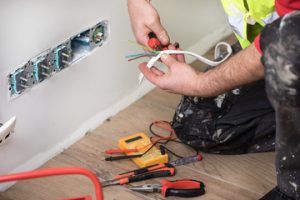
Residential electrical wiring serves as the circulatory system of a home’s power distribution network. It carries electricity from the service panel to outlets, switches, lighting fixtures, and hardwired appliances. When installed and maintained correctly, this system operates quietly and reliably for decades. However, outdated materials, improper installations, and increased electrical loads can compromise safety and performance. Recognizing how wiring systems function—and when they require attention—empowers homeowners to make informed decisions about maintenance and upgrades. Click here to Learn More About Us.

electrical

At the core of any residential wiring system is the electrical service panel. This panel distributes incoming power into branch circuits that supply various areas of the home. Each circuit is protected by a breaker designed to interrupt power in the event of overload or short circuit. Wiring extends from the panel through walls, ceilings, and floors, connecting to outlets and fixtures. Modern homes typically use insulated copper wiring enclosed in protective sheathing, designed to withstand environmental conditions and prevent accidental contact.

Safety remains the primary concern in residential electrical wiring. Faulty or deteriorating wiring is one of the leading causes of residential electrical fires. Over time, insulation can degrade due to heat, moisture, or pest damage. Loose connections can create resistance, leading to overheating and arcing. Older homes may contain wiring systems that no longer meet current safety standards or lack sufficient grounding protection. Regular inspections and professional evaluations help identify these risks before they escalate into serious hazards.

One of the most significant advancements in modern residential wiring standards involves protective devices. Ground Fault Circuit Interrupters (GFCIs) and Arc Fault Circuit Interrupters (AFCIs) are now widely required in new construction and renovations. GFCIs protect against electric shock by shutting off power when a ground fault is detected, making them essential in areas such as kitchens, bathrooms, and outdoor spaces. AFCIs, on the other hand, detect dangerous arc faults that could ignite fires. These devices represent critical safety upgrades that significantly reduce the likelihood of injury or property damage.

Homeowners should be aware of several warning signs that indicate potential wiring issues. Flickering lights, frequently tripped breakers, burning odors, discolored outlets, or buzzing sounds from walls may signal underlying electrical problems. Ignoring these symptoms can lead to larger system failures or fire hazards. In many cases, the issue stems from overloaded circuits, aging wiring, or improper modifications performed during past renovations. Addressing these concerns promptly helps preserve both safety and system integrity.

Upgrading residential electrical wiring is often necessary as energy demands increase. Modern households use far more electricity than homes built decades ago. Large appliances, high-definition entertainment systems, electric vehicle chargers, and smart home technologies all require substantial power. If the existing wiring system was designed for lower demand, it may struggle to handle current loads. Upgrades may involve adding new circuits, replacing outdated wiring, or increasing service panel capacity. These improvements not only enhance performance but also prevent overload conditions that can compromise safety.

When considering electrical upgrades, homeowners typically focus on several key improvements:

  1. Replacing outdated wiring systems with modern insulated copper wiring.
  2. Upgrading the electrical panel to support increased amperage.
  3. Installing additional dedicated circuits for high-demand appliances.
  4. Adding GFCI and AFCI protection where required by modern standards.
  5. Improving grounding and bonding systems to enhance safety.

Modern building standards also emphasize proper wire sizing and circuit design. Each circuit must be rated to handle the electrical load it serves. Undersized wiring can overheat when subjected to excessive current, increasing fire risk. Electricians calculate load requirements based on appliance ratings, lighting demands, and anticipated usage patterns. Ensuring correct wire gauge and breaker sizing is fundamental to safe and efficient power distribution.

Grounding is another critical aspect of residential wiring that directly impacts safety. A properly grounded system provides a safe pathway for fault currents, reducing the risk of electric shock. Grounding systems connect electrical components to the earth, allowing excess energy to dissipate harmlessly. Bonding ensures that metal enclosures and conductive materials remain at the same electrical potential, preventing dangerous voltage differences. Modern standards require comprehensive grounding and bonding to protect both occupants and equipment.

In addition to safety considerations, energy efficiency plays an increasingly important role in residential wiring decisions. Efficient wiring layouts reduce voltage drop and minimize energy waste. Upgrading to LED lighting, installing programmable switches, and integrating smart controls can further optimize energy consumption. While wiring itself does not generate electricity, its design and condition significantly influence system efficiency and reliability.

Renovations and home additions often present opportunities to modernize wiring systems. When walls are opened during remodeling, electricians can assess existing wiring and make necessary improvements. This proactive approach ensures that newly renovated spaces meet current safety codes and are equipped to handle modern electrical loads. Homeowners planning kitchen remodels, basement finishes, or room additions should prioritize electrical evaluations as part of their project planning.

Smart home technology has also influenced residential wiring standards. Automated lighting, integrated security systems, smart thermostats, and networked appliances require reliable power and often additional wiring or data cabling. Integrating these systems safely requires careful planning to avoid overloading circuits or compromising protective devices. Professional installation ensures compatibility, proper load management, and compliance with modern electrical codes.

Routine maintenance is just as important as initial installation. Even well-designed wiring systems benefit from periodic inspections. Electricians can test breakers, examine connections, verify grounding integrity, and assess overall system condition. Preventive maintenance helps detect early signs of wear, reducing the likelihood of unexpected failures. For older homes, scheduling inspections every few years is particularly advisable.

Homeowners should also understand the importance of avoiding do-it-yourself electrical modifications. While minor tasks such as replacing a light fixture may seem straightforward, improper wiring can introduce serious safety risks. Incorrect connections, inadequate grounding, or mismatched wire sizes can create hidden hazards that remain undetected until a failure occurs. Licensed professionals possess the training and tools necessary to ensure installations meet safety standards and building codes.

Modern residential wiring standards are designed to adapt to evolving technology and safety research. Electrical codes are periodically updated to reflect new findings and emerging risks. Staying informed about these changes allows homeowners to make strategic upgrades that enhance safety and future-proof their properties. For example, increasing panel capacity today may accommodate future additions such as solar panels or electric vehicle charging stations.

There are several long-term benefits associated with maintaining and upgrading residential electrical wiring:

  1. Enhanced safety through reduced fire and shock hazards.
  2. Improved reliability with fewer outages and breaker trips.
  3. Increased home value due to compliance with modern standards.
  4. Greater energy efficiency and reduced utility costs.
  5. Better accommodation of modern appliances and smart technologies.

Understanding residential electrical wiring empowers homeowners to view their electrical systems not as hidden infrastructure, but as critical components of home performance and safety. Just as plumbing and structural elements require maintenance, wiring systems demand attention and care. Proactive upgrades and inspections protect families, preserve property value, and ensure that homes remain adaptable to changing technological demands.

In conclusion, residential electrical wiring is a foundational element of modern living that deserves careful consideration. From safety devices and grounding systems to panel upgrades and circuit expansion, modern standards emphasize protection, efficiency, and reliability. As electrical demands continue to increase, homeowners must prioritize inspections, timely upgrades, and professional installation practices. By doing so, they create safer living environments, support energy efficiency, and ensure their homes are equipped to meet the challenges of today and tomorrow.

Quick Fixes for Touching Up Refinished Cabinets

Cabinet Refinishing Modesto

Everyday use takes a toll on painted cabinet surfaces. Fingernails, rings and utensils leave light surface marks, and high-traffic areas become especially susceptible to scuffing.

Touch-up kits can make small scratches and chips virtually invisible. But when chipping spreads, or paint is discolored or peeling, a professional refinishing service is the best option.

1. Paint

Painted cabinets aren’t immune to the ravages of daily wear and tear. Dirt, grease, and scuffs can make even the most beautiful kitchen cabinetry look dull and dingy. Fortunately, minor chips and scratches are easily fixed without the cost and stress of a full repaint. The key is regular maintenance that includes gentle cleaning, protecting surfaces from damage, and applying clear protective topcoats.

Small, chipped areas are easily covered with a cabinet touch-up marker or paint stick that matches your existing finish. Lightly brush the paint on in thin layers, allowing each to dry completely before applying the next. This will ensure a smooth, seamless blend and help the touch-up paint last longer.

Alternatively, you can use a wax repair stick or bondo spot putty to fill deep dents and dings in your painted cabinets. This product can be purchased at any home improvement store and is easy to work with. Simply apply a small amount to the damaged area and smooth with a plastic scraper or finger. After letting the touch-up paint and putty dry, lightly buff the surrounding areas to blend in the new color.

It is important to use a high-quality paint for your cabinet touch ups to ensure a long-lasting and durable finish. Acrylic enamel is a popular choice as it dries hard and resists impact damage. Oil-based paint provides even more durability, but it takes much longer to dry, making it less practical for DIY touch-ups.

Before touching up your cabinets, always clean the damaged area to remove any dirt or grease residue that could prevent the paint from adhering properly. Lightly sanding the surface before painting will also improve the results. Choose a touch-up paint that doesn’t require primer if possible, but be sure to use a high-quality, cabinet-friendly product if your cabinets were previously primed.

Although DIY touch-up kits and simple techniques can hide most of the damage to painted cabinets, more extensive repairs may require a professional refinishing service in Lutherville-Timonium. Large areas of chipping or peeling usually signal deeper issues that a simple touch-up kit can’t fix.

2. Repair Chips

Cabinets are a major investment in your home and it’s important that they stay looking great. But over time, normal wear and tear can lead to scuff marks, scratches, chips, and dullness that will make them look old and tired. Thankfully, there are simple ways to repair these problems without spending the money or time to repaint your cabinets completely.

Scratches can be easy to hide with a quick cabinet touch-up marker or wax repair stick in a matching color. Apply it in thin layers, allowing the product to absorb evenly and buff between coats. This technique will help hide even the deepest nicks and scratches.

Chips on painted cabinets are much more difficult to hide, but there are steps you can take to repair them before they get too out of hand. Before touching up the chipped area, thoroughly clean it to remove any grease, grime, or residue that could interfere with the new paint or stain adhering. Then, lightly sand the area to roughen it up and help the new finish adhere. Finally, use a wood filler to repair any holes or cracks before painting or staining.

Once the area is filled and sanded smooth, you can apply a small amount of linseed oil to the affected surface. This will help restore the natural oils to the wood, which can help the finish resist water damage and stains in the future.

If the problem is deeper than a few small chips, it may be time to hire a professional. A qualified cabinet refinisher can transform your cabinets with flawless results. They will understand the specific techniques needed to prevent chipping and can also recommend a clear topcoat to extend the life of your cabinets.

Another way to give your cabinets a fresh new look is to replace the hardware. This is a little bit more time consuming, but the effort will be worth it when you see how new and refreshed your cabinets look! It’s also an opportunity to change out any outdated hinges for more contemporary knobs or pulls.

3. Refinish

Refinishing your cabinets can give them an entirely new look. Choosing the right paint and proper prep is essential for success. You will want to use a touch-up pen for hairline scratches, and a small artist’s brush or foam brush for wider areas. Applying thin coats and letting the paint dry in between is important to a smooth finish. Feather the edges of the new paint into the existing paint to avoid harsh lines. Using a clear topcoat is also beneficial to protect the finish and help it last longer.

Before you start, make sure the cabinet boxes and doors are free of dust and dirt by sanding them with 180-grit sandpaper or using a random orbital sander. It’s a good idea to vac and tack the cabinets after sanding to remove dust particles and loose debris. This will also prepare the cabinets for priming. Choose a high-quality primer, such as KILZ 3 Premium Primer, which offers great adhesion and stain-blocking properties. It is easy to apply and dries quickly, allowing you to remain home while the project is in progress.

Once the refinishing process is complete, let the cabinets dry completely before putting items back on them. A week or more is ideal to ensure the refinished surfaces are fully cured and ready for normal use. Make sure the surface is protected from direct sunlight or excessive moisture until the curing is complete. It’s also a good idea to hold off on placing area rugs on the newly refinished cabinets until after they have had time to cure.

4. Replace Hardware

A well-matched touch-up repair blends seamlessly, keeping cabinets looking polished and well-maintained without the cost and hassle of a full renovation. Plus, addressing small chips early prevents them from spreading, saving homeowners from costly repaints down the line.

If your cabinet hardware is looking a little dated and you’re not ready to commit to another color or paint, swapping out the drawer pulls and cabinet knobs is an easy way to give them a major upgrade in one afternoon. You’ll still have to do some prep work, like filling and painting the old screw holes, but you can find a variety of inexpensive options that look great and are easier on your wallet than an entire kitchen overhaul.

Choose a touch-up kit that offers multiple marker colors for accurate coloring and that dries quickly. It should also contain wax sticks for precise application and for use on dark finishes. Use the markers to cover scuffs and scratches, and apply in thin coats to avoid harsh lines. If you’re working with bare wood or a particularly tricky surface, prime it first before you begin. Then, be sure to let the paint dry completely before reattaching the hardware. If you’re replacing the hardware because it’s a different size, make sure to mark the spots where you plan to drill in pencil so that they match up with the holes in your cabinets and drawers. Otherwise, you’ll end up with knobs at varying heights. Alternatively, you can always hire a local handyman service to do the job for you.

Handyman Services for Move-In Preparation and Repair

A skilled Handyman Lexington KY can address everyday wear and tear in a home. From patching nail holes to adding a fresh coat of paint, these small fixes make homes more comfortable for residents and increase their value.

Carpentry tasks like building breakfast nook seating or crown molding are also within the scope of most local handymen. They can even clean gutters to avoid costly damage down the road.

Painting

Handyman

Whether you’re preparing to sell your current home or just want to give it a fresh new look, painting is an easy and affordable way to transform a space. Handymen can handle everything from simple touch-ups to repainting entire rooms in a color that appeals to buyers. Plus, a professional paint job will protect surfaces from moisture and everyday wear, prolonging their life.

Depending on how many walls you’re having painted, you may need to remove wall art, hooks, shelves and other decor items. That can leave unsightly holes in the drywall that a handyman will be able to patch up quickly and easily.

Even small fixes can make a big difference in the appearance of your home, and that’s why a good handyman is so useful. A skilled handyman will be able to repair things like loose hinges, wobbly drawers and other minor issues that can become serious problems over time. Regular seasonal maintenance can also prevent damage from harsh weather conditions, like clogged gutters and rotting siding.

While some homeowners try to save money by doing a DIY fix, it’s usually best to let the pros do the work. Handymen have the right tools and experience to ensure projects are done correctly, saving you time and stress in the long run. From replacing light fixtures to installing ceiling fans, handymen can tackle a variety of installation jobs. This includes drywall repairs and caulking, which is an important part of making sure your house is energy efficient. In addition, a handyman can hang rods for curtains and blinds, which is an easy and effective way to upgrade the look of your home in minutes.

Disassembly & Assembling Furniture

Whether you’re moving to a new home or rearranging your current one, disassembling furniture can make the process easier. From IKEA PAX wardrobes to bedroom sets, dedicated Taskers in NYC have the tools and expertise to take apart your pieces for hassle-free transportation or storage. They also know how to handle delicate materials to avoid scratches and other damages.

Having an expert on hand can also save you time and money when it comes to assembling new furniture or fixing minor problems. Frustration with unclear instructions or forgetting the right tools can stall even simple assembly projects. Handymen are familiar with the intricacies of various furniture types and can assemble items with precision.

When vetting handyman services for your move-in preparation, look beyond the hourly rates to identify a partner with a solid reputation and local references. Consider a company with transparent pricing models and flexible payment options, as well as warranties and guarantees to ensure peace of mind. In a city where many tasks are familiar, finding the best handyman service requires a specific lens that accounts for the unique logistical challenges of NYC living. These non-negotiable criteria will help you narrow down your options and select the best partner for post-move repairs and assembly.

Hanging Mirrors & Artwork

Whether you’re creating a symmetrical arrangement above a mantel, crafting a vignette on a console table or bookshelf, or simply adding an artful focal point to a nook, your walls are an incredibly versatile canvas for wall hangings, framed artwork and artisan mirrors. To add visual drama, layer your arrangements to create a dynamic gallery of reflections. Mix brushed brass mirrors with sculptural pieces for an eclectic mix, and experiment with scale and texture to create a rhythm that draws the eye.

Long hallways and stairwells benefit from the illuminating properties of mirrors, which are ideal for creating a sense of depth and circulating natural light. Use mirrors to accentuate modern minimalism, with black or white frames and simple shapes, or add warmth with woven or textural wall hangings, framed vintage watercolour or coastal landscape paintings, and monochromatic or abstract prints.

When it comes to arranging mirrors and artwork, the most important thing is that they be hung at the right height to be most effective. Aim for the centerline of each piece to fall within a range between 54 to 57 inches from the floor, which is considered average eye level.

Fixing Inspection Issues

A home inspection can reveal a variety of major issues that may require professional repairs. From leaking pipes to damaged foundations, these problems must be addressed quickly before closing or buyers may walk away from the deal. Handymen are able to address many of these home projects and can save homeowners time, money, and stress by completing them quickly and effectively.

In addition to addressing home inspection issues, local handymen can also help with a variety of minor fixes. Whether it’s replacing light fixtures, hanging curtains, or installing new shelving, handymen have the skills to tackle these tasks quickly and professionally. These minor home improvement projects can make a big difference in the overall look and feel of a home.

For new homeowners, hiring a handyman to tackle these jobs can provide a cost-effective alternative to specialized contractors. Handymen are able to handle various types of work, including carpentry and plumbing, making them a versatile option for homeowners with multiple home repair needs.

Aside from disassembling furniture and assembling it, handymen can also patch holes left behind by wall art or hooks and shelves that have been removed. In addition, they can fix minor electrical problems like faulty outlets or switches and clean gutters to prevent water damage. Lastly, they can also touch up scuffed paint to give walls and trim a fresh coat of paint. A quick and easy project, this can drastically improve the appearance of a room and protect surfaces from wear and tear.

Plumbing & Electrical

As with painting, drywall repair and other general labor, many NYC handyman services offer plumbing and electrical work. However, for tasks involving major electrical or plumbing work, you will need a licensed specialist. A reputable handyman service will be transparent about this, never attempting specialized work outside their legal scope. When vetting a handyman service, use these non-negotiable criteria to make a confident choice that ensures your new home is set up with precision and care from day one.