Understanding Your Grass Type

Understanding your grass type helps you make better decisions about mowing height, watering frequency and overseeding bare spots. Look for differences in color, texture and blade width to identify your grass.

Cool-season varieties begin growing in late winter and spring, flower and go dormant in summer, then green up again in fall. Grass with fine blades suggests fescue or bluegrass, while a wide blade indicates St. Augustine or ryegrass. Visit Website to learn more.

Kentucky Bluegrass
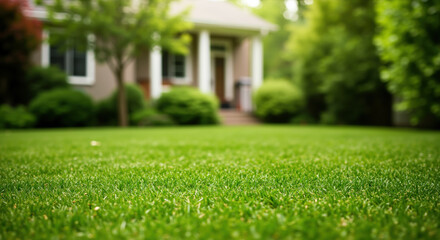
lawn care

Kentucky bluegrass (Poa pratensis) is one of the most important cool-season grasses planted as turf. It is the primary grass for lawns and a major component of athletic fields, golf course fairways, tees, and roughs, and is also used extensively in pastures. This grass is adapted to a wide range of climates and grows best in the fall, winter, and spring. It performs well in full sun, but can also grow in shade. It spreads by rhizomes, which means that it can cover any bare spots in a lawn, making it an ideal choice for filling in thin areas.

Like other cool-season grasses, it prefers soil with a pH level between six and seven, but is more tolerant of lower soil levels than most other types of turfgrass. It also tolerates a variety of soil conditions, from sandy to clay, but does not do well in poorly drained soils or wet spots.

Breeding and selection work with this grass has focused on improving color, low growth rate, disease resistance, heat tolerance, and shade tolerance. As a result, there are many different cultivars of this grass available. The majority of these are erect growing with a fine to medium leaf texture. They are very good at holding their color and do a great job with mowing.

These characteristics make this a popular choice for many homeowners. They are relatively low maintenance, but do require a regular watering and fertilization program to maintain their appearance.

Bluegrass is a perennial, meaning that it comes back year after year. It grows best in the fall, winter, and early spring, but is less vigorous during the summer than other cool-season grasses. This is due to its natural tendency to enter a dormant state during hotter weather.

Kentucky bluegrass is a very good choice for home lawns, as it offers a pleasant color and a dense, durable playing surface. Its dense turf can withstand heavy foot traffic, and it is also known for its high drought and heat tolerance. This grass is best suited for cool to moderate climates and requires less watering and fertilizer than other lawn grasses, including ryegrass and tall fescue.

Zoysia

Zoysia is an excellent choice for lawns in warm climates. It has several advantages over cool season grasses, including superior heat and drought tolerance, a dense growth pattern, resistance to pests and other lawn diseases and low maintenance requirements. It also looks great when mowed properly. However, Zoysia comes with a few drawbacks that should be taken into account when selecting and caring for a lawn.

Warm-season grasses such as Bermuda, St. Augustinegrass, Centipedegrass and Zoysia begin growing vigorously in mid- to late spring, reach their peak during the hot summer weather and then slow down or go dormant in winter. They perform best in warm regions with a mild winter, such as the Southeast, the Southwest and lower portions of the transition zone.

These warm-season grasses have fine to coarse blades with a muted green color. They grow in a thick mat that crowds out weeds and requires less frequent mowing than other types of grass. They handle heat and humidity well but do not tolerate shade very well. In colder climates, they may not thrive or need extra care to keep them healthy during the winter.

Like other warm-season grasses, Zoysia spreads through above-ground stolons and underground rhizomes. This can lead to a patchy appearance in some lawns, and it can also be a problem when encroaching into garden beds or sidewalks. The thick growth of these grasses can also block out light and reduce plant health, and they are susceptible to fungus problems and insect infestations.

Zoysia is a good choice for soil conditions that are slightly acidic to neutral, but it does not do well in very sandy or clay-heavy soils. This type of lawn also requires regular aeration to prevent thatch buildup and improve water infiltration and nutrient uptake.

This is one of the few grasses that can be planted in mid to late summer, or even fall — but it needs to have enough time before the first frost. Trying to plant it before this window will delay active growth, give the weeds (many of which are cool season growers) a head start and make it challenging for the warm-season grass to survive.

Centipedegrass

Known as the “lazy man’s grass,” centipedegrass (Eremochloa ophiuroides) is an attractive, low-maintenance turf that thrives in the southeastern United States. It’s often used for rough areas on golf courses, but it also makes a lovely lawn. This stolon-spreading turf can tolerate a wide range of soil conditions and can quickly recover from damage caused by traffic or fires. It is also very drought tolerant.

This warm-season grass can be planted from seed, sod or plugs. When planting sod or plugs, do it in the late spring to early summer for best results. Centipedegrass grows very slowly, so be patient as your lawn develops. It can also be oversseeded in existing lawns to fill in bare spots. Before you overseed, prepare the site by aerating and dethatching your lawn. This will loosen compacted soil and improve seed contact.

As its name implies, centipedegrass spreads by its own stolons (long runners that look like tiny legs) as well as by seed. It is a persistent weed in natural and disturbed areas, including roadsides. It is a Tier II invasive species in Louisiana, meaning it has the potential to have moderately negative impacts on wildlife and native plants.

Centipedegrass grows best in acidic soils and does best in full sun, but will tolerate some shade. It’s also relatively resistant to weeds and pests, although it may become diseased in excessively wet conditions. Fungicides can help, and keeping the mower blade sharp and mowing at the right height will reduce disease pressure, too.

Fertilize your centipedegrass lawn with nitrogen-rich fertilizer for good growth, but don’t overfertilize it in the hopes of promoting lushness. This could lead to nutrient imbalances and thatch buildup. A soil test is always recommended to determine your lawn’s exact needs.

Centipedegrass doesn’t tolerate high levels of phosphorus or potassium, so be careful when selecting your fertilizers. Get a laboratory soil test done in early spring, so you’ll know exactly what nutrients your lawn is lacking. A lab can also test your soil for organic matter, which indicates the amount of humus in the ground. A high humus level encourages healthy root growth and helps centipedegrass retain moisture.

Dichondra

Dichondra is a lush, low-maintenance ground cover that offers an attractive alternative to traditional lawns. It forms dense mats of small, rounded leaves that are beautiful in full sun or shade. It is a good option for regions that experience drought-prone conditions or where water conservation is a priority, such as New South Wales and Queensland. Dichondra is a warm-season grass, which means it grows best when temperatures are above 22 degrees Celsius. It is often referred to as Tom Thumb or kidney weed due to its bright green, kidney-shaped leaves. This fast-growing plant has creeping stems that root at leaf nodes and spreads as it goes, creating a dense, evergreen groundcover in sunny areas that can be up to 6 feet wide or more.

While it is a good option for low-traffic areas, dichondra is not as durable as turf grass and may be damaged by heavy foot traffic. It can also be difficult to weed, and it can overtake native plants if not managed correctly.

Like other grasses, dichondra requires plenty of sunlight to thrive. It grows well in a range of soil types but performs best when planted in rich, well-draining earth. It needs to be watered regularly until germination, but should not be kept constantly wet. It also does not need regular supplemental fertilization.

A surprisingly hardy, low-maintenance grass that is beautiful in many climates, dichondra is an excellent choice for those looking for a green carpet alternative. Its vibrant, silver-green or green leaves offer a fresh look to the garden and complement the colors of other plants. It is a great addition to the flower bed and also makes a stunning spill over pots and baskets.

While it is a perennial, it can be killed by severe frosts and needs to be protected in colder climates. When grown in the correct conditions, however, this plant is an exceptional option for any garden and landscape. It is best sown directly into the ground in spring or fall, when the soils are warm and the weather more moderate. This allows the dichondra to get established before the warmer, drier summer weather comes and reduces the risk of damage from winter cold.
Extensive Landscape Construction Services for Functional Outdoor Living

Creating an outdoor space that is both functional and aesthetically pleasing requires careful planning, skilled workmanship, and an understanding of how each component contributes to the overall environment. Comprehensive Honolulu Landscape construction services offer homeowners a way to transform simple yards into purposeful living areas that add comfort, convenience, and long-term property value. Whether the goal is to build a serene garden retreat, an entertainment-ready patio, or a multi-feature outdoor environment, professional landscape construction ensures that every detail is designed to meet the needs of the property and those who use it.

landscaping

Landscape construction goes beyond basic lawn care or planting shrubs. It revolves around creating structures, systems, and durable outdoor features that enhance the usability of a property. From retaining walls and walkways to outdoor kitchens, irrigation systems, and custom hardscapes, these services are essential for homeowners looking to elevate their living experience beyond the walls of their home. With the right team, outdoor spaces become extensions of interior living areas, offering comfort, functionality, and beauty through every season.

One of the biggest advantages of comprehensive landscape construction services is the ability to tailor every aspect of the project to a homeowner’s preferences, lifestyle, and environmental needs. Landscape professionals begin by understanding how the outdoor space will be used, whether for relaxation, entertaining guests, gardening, or creating a family-friendly environment. This allows the design and construction process to revolve around real needs, ensuring that every feature—from pathways to seating areas—is positioned and crafted with intention.

Functional outdoor living spaces often begin with a well-constructed hardscape. Hardscaping includes the non-living elements of a landscape, such as patios, decks, retaining walls, driveways, fire pits, garden borders, and walkways. These components create the foundation of the outdoor layout, establishing structure, flow, and character. A well-designed patio, for instance, can serve as the central gathering area where families enjoy meals, conversations, and relaxation. High-quality pavers, stonework, or concrete provide durability and longevity, requiring minimal maintenance while offering a timeless aesthetic appeal.

Retaining walls are another foundational aspect of landscape construction. Aside from their visual appeal, they provide important structural benefits, especially for properties with uneven terrain. By preventing soil erosion, managing water drainage, and creating terraced levels, retaining walls contribute both functionality and beauty. These features can also be customized to match the aesthetic of the property, whether through natural stone, textured concrete, or other durable materials. Combined with thoughtful plant placement, retaining walls add dimension and texture to outdoor spaces while ensuring long-term stability.

Walkways play a critical role in connecting various areas of the property, making movement easier and safer. Professionally constructed paths not only guide foot traffic but also enhance the overall design by blending with garden beds, lawns, and hardscape features. When designed strategically, walkways improve accessibility and help define the purpose of each area, whether leading to a garden, patio, pool, or outdoor dining space. Materials such as pavers, flagstone, or gravel add style while ensuring durability.

Beyond structural elements, many homeowners seek to incorporate outdoor amenities that improve comfort and expand living possibilities. Outdoor kitchens are among the most popular additions, providing the perfect environment for cooking, dining, and hosting gatherings. Complete with grills, countertops, seating areas, and storage, these spaces allow families to enjoy meals outside without sacrificing the convenience of a fully functional kitchen. Landscape construction professionals ensure proper installation, safety, and design integration with existing outdoor features.

Fire pits and fireplaces are also highly sought after for their ability to create warm, inviting outdoor areas ideal for relaxation or entertainment. Whether built from natural stone, brick, or cast concrete, these features extend the usability of outdoor spaces into the cooler months. Their ambiance enhances the overall experience, making the backyard a cozy gathering spot for family and friends.

Water features add movement, serenity, and a luxurious atmosphere to outdoor living spaces. Fountains, ponds, and waterfalls create a soothing environment while improving the visual appeal of the landscape. A properly designed water feature complements surrounding hardscape and plant life, contributing to a balanced and harmonious outdoor layout. These elements also attract wildlife and promote natural relaxation, making them a favorite among homeowners seeking to create a peaceful retreat.

Of course, no outdoor living area is complete without a cohesive blend of softscaping. After constructing the core structures and amenities, landscape professionals integrate plants, trees, shrubs, and grass that complement the overall design. The right plant selection not only enhances beauty but also ensures sustainability and easy maintenance. Native plants, drought-resistant species, and carefully chosen trees contribute to long-term health and environmental harmony. Softscaping can soften the look of hardscape, create shade, add color, and improve air quality throughout the property.

Another key component of comprehensive landscape construction is the installation of irrigation systems. Proper watering is essential for maintaining healthy plants and a vibrant lawn, yet it must be managed efficiently to avoid waste. Automated irrigation systems ensure that each area receives the right amount of water at the right time, reducing the need for manual upkeep. These systems also help prevent overwatering, soil erosion, and plant stress, supporting long-term landscape health.

Lighting is another powerful element that enhances both function and beauty. Outdoor lighting improves safety by illuminating pathways, steps, and entry points. It also highlights architectural features, gardens, trees, and water elements, creating stunning nighttime effects. With energy-efficient LED technology, homeowners can enjoy long-lasting lighting solutions that require minimal maintenance while extending the usability of outdoor spaces well into the night.

One of the biggest benefits of hiring landscape construction professionals is the assurance that all elements—from engineering to aesthetics—are executed with precision. These experts understand how to manage soil conditions, grading, drainage, and structural integrity while ensuring a cohesive and visually appealing design. Attempting major landscape projects without professional assistance can lead to drainage problems, uneven surfaces, poor structural support, or costly repairs. Professionals bring the experience, equipment, and planning needed to deliver lasting, high-quality results.

Sustainability is also becoming a major priority in landscape construction. Many homeowners are opting for eco-friendly materials, energy-efficient lighting, drought-resistant plants, permeable pavers, and sustainable building practices. These choices not only reduce environmental impact but also lower long-term maintenance costs. Whether the project focuses on improving water efficiency, reducing erosion, or creating habitats for beneficial wildlife, sustainability ensures that outdoor spaces remain healthy and functional for years to come.

Comprehensive landscape construction services also add significant value to a property. Well-designed outdoor spaces increase curb appeal and expand the usable square footage of the home. Features such as patios, outdoor kitchens, and custom stonework often provide high returns on investment, making them appealing upgrades for homeowners planning for the future. Beyond financial benefits, a thoughtfully constructed outdoor area improves the quality of daily life, offering a comfortable place to relax, entertain, and enjoy the outdoors.

The process typically begins with a detailed consultation, during which landscape professionals assess the property, discuss goals, and identify opportunities for improvement. They create detailed plans that outline layout, materials, features, and construction phases. Once approved, the construction team coordinates everything from excavation and foundation work to installation and finishing touches. The final result is a cohesive and functional outdoor living environment crafted to fit the homeowner’s preferences and lifestyle.

In summary, comprehensive landscape construction services provide the expertise needed to transform basic outdoor spaces into functional, beautiful, and long-lasting environments. By blending hardscape, softscapes, amenities, and sustainable systems, professional landscapers create outdoor living areas that serve a wide range of purposes. Whether homeowners envision a quiet garden, an entertainment hub, or a multi-functional outdoor oasis, skilled landscape construction ensures that every detail is designed and built to enhance the way the space is used.

With thoughtful planning, quality craftsmanship, and a focus on both beauty and functionality, comprehensive landscape construction turns outdoor areas into inviting extensions of the home. These services offer the opportunity to enjoy nature, improve lifestyle, and increase property value—all while creating a space that truly reflects the homeowner’s vision.